

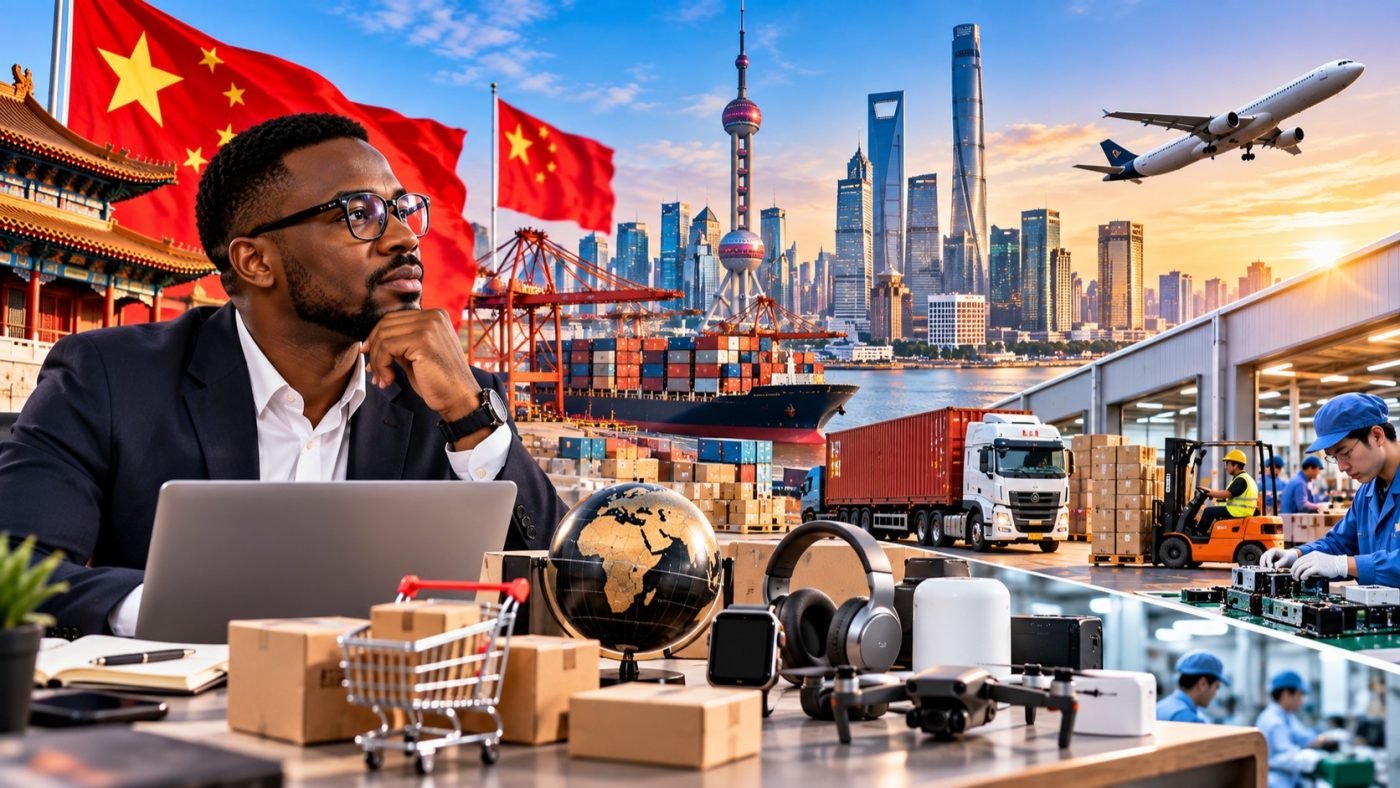
When people talk about doing business with China, the conversation often starts and ends with one idea:
Import cheap products and resell them.
That model can work.
But it is only one small part of China's business ecosystem.
China has developed an enormous manufacturing, logistics, technology and e-commerce infrastructure. Its cross-border e-commerce imports and exports reached2.84 trillion yuan in 2025, according to Chinese customs data.
That creates opportunities for entrepreneurs who don't necessarily want to own a factory.
Here are ten models worth exploring.
1. Build a private-label brand
Find an existing product.
Improve it.
Put your own brand on it.
Sell it in a specific market.
The formula is:
Manufacturer → customization → your brand → distribution
The competitive advantage isn't necessarily the product itself.
It can be:
branding;
customer service;
distribution;
packaging;
content;
community;
specialization.
2. Become a sourcing specialist
Global companies need products.
But finding the right factory isn't always easy.
A sourcing specialist can help with:
supplier discovery;
quotation comparison;
samples;
negotiations;
quality control;
shipping coordination.
The business doesn't require owning inventory.
It requires knowledge and reliable relationships.
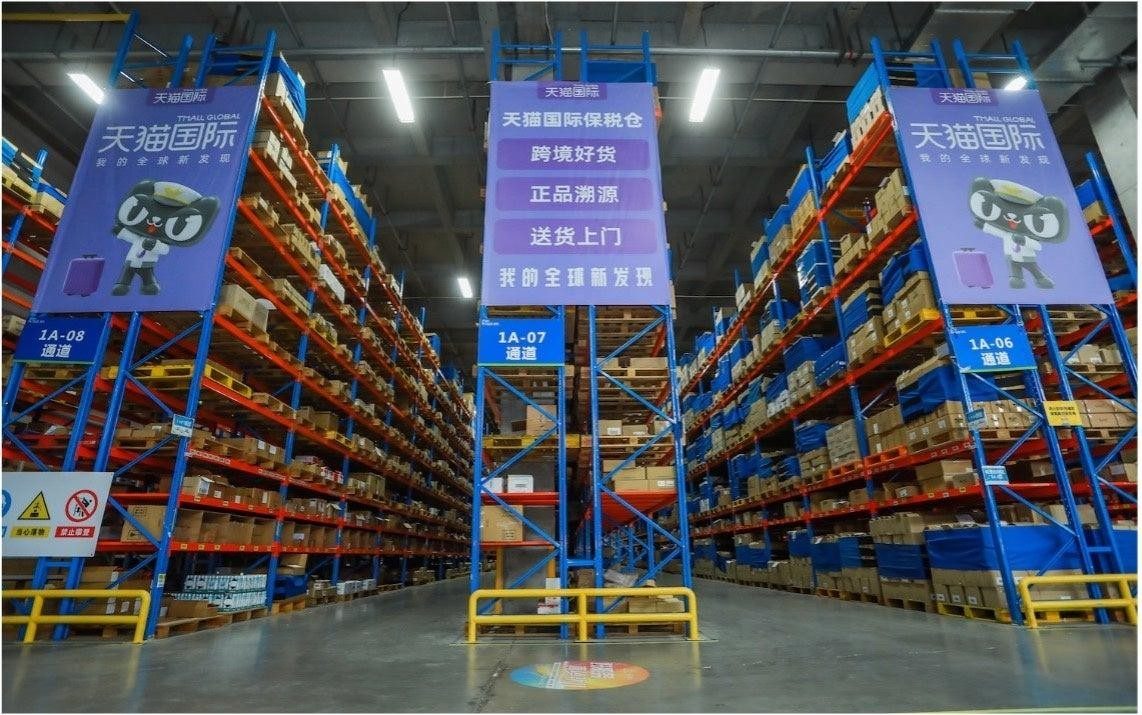
3. Sell Chinese manufacturing capabilities to niche markets
Instead of asking:
"What Chinese product should I sell?"
Ask:
"Which industry has a problem that Chinese manufacturing can solve?"
For example:
restaurant equipment
beauty equipment
solar equipment
construction products
packaging
agricultural machinery
The opportunity lies in connecting a specialized customer group with suitable manufacturers.
4. Build a cross-border e-commerce brand
You don't need to sell everything.
Choose a category.
Build an audience.
Then source products specifically for that audience.
China's cross-border e-commerce infrastructure is increasingly connected to overseas warehouses, logistics and international marketplaces.
That makes the model increasingly accessible.
5. Create a product-testing business
This is an underrated opportunity.
Manufacturers need to know:
"Will customers actually buy this?"
You can build a business around market validation.
For example:
Manufacturer → sample → test market → customer feedback → improved product
Your clients can pay for:
market research;
competitor analysis;
product testing;
customer interviews;
launch strategy.
6. Build a China-to-world logistics service
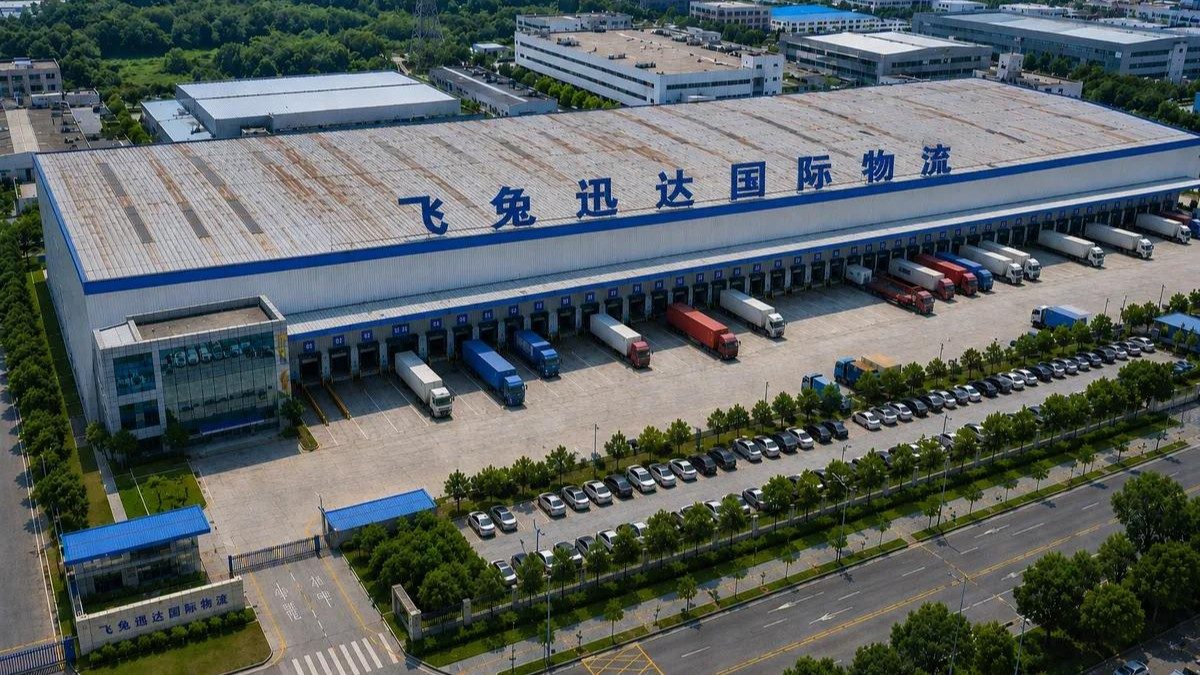
Cross-border commerce creates logistical complexity.
A business can specialize in:
consolidation;
warehousing;
freight coordination;
fulfillment;
returns;
documentation.
The opportunity exists because selling internationally involves much more than manufacturing.
Chinese policy documents themselves highlight the importance of logistics, warehousing, payment collection and after-sales service in cross-border e-commerce.
7. Help companies customize products
Many businesses don't need a completely new product.
They need an existing product modified slightly.
For example:
different color;
different packaging;
logo;
different dimensions;
additional feature;
custom bundle.
You can become the intermediary between the customer and manufacturer.
8. Build a business around Chinese technology
China's technology ecosystem creates another category of opportunity.
Depending on your market and applicable regulations, entrepreneurs can explore:
electronics;
smart-home products;
automation equipment;
business hardware;
EV-related products;
renewable-energy equipment;
manufacturing technology.
The key is not to import technology simply because it is Chinese.
Identify aspecific local problemfirst.
9. Create educational products around China sourcing

Once you understand the process, knowledge itself becomes a product.
You could create:
courses;
newsletters;
YouTube channels;
consulting;
supplier directories;
workshops;
sourcing templates.
For example:
"How to calculate the real cost of importing from China."
That is much more useful than simply telling people:
"China has cheap products."
10. Become a bridge between two markets
This may be the most powerful model.
Instead of building a business entirely inside China, build a business that connects:
China ↔ your local market
Your value can come from understanding both sides.
You know:
what customers want;
how manufacturers operate;
how to communicate with suppliers;
how logistics work;
what local regulations require.
That knowledge can become the business.
The business model I would avoid at first
I would be extremely careful with:
"Buy whatever is trending on social media and import 1,000 units."
Why?
Because a product can be:
viral ≠ profitable
You still have:
shipping;
customs;
advertising;
returns;
damaged units;
competition;
price pressure.
A trend can disappear before your container arrives.
A better approach
Use this process:
Find demand
↓
Identify the problem
↓
Search Chinese suppliers
↓
Request samples
↓
Calculate landed cost
↓
Test the market
↓
Improve the product
↓
Scale
This approach is slower than blindly ordering inventory.
But it gives you much more information before you commit serious capital.
Final thoughts
China is not simply a place to find cheap products.
It can be:
a manufacturing partner
a technology ecosystem
a sourcing market
a logistics hub
an e-commerce infrastructure
and
a gateway to global supply chains.
The entrepreneur's opportunity is to connect those capabilities with a specific customer problem.
That is where the business becomes interesting.